Cabernet Sauvignon
Napa Valley
Cabernet Sauvignon
Napa Valley’s Signature Red Grape
Cabernet Sauvignon is the acknowledged king of red grapes in Napa Valley, valued for power, structure, age-worthiness and a wide range of vineyard expression.
50% Total Production
- Cabernet Sauvignon accounts for 50% of Napa Valley wine production and 68% of crop value.
55% Napa Valley Plantings
- It is the most widely planted variety in Napa Valley and is grown throughout the region.
10-20+ Years of Cellar Life
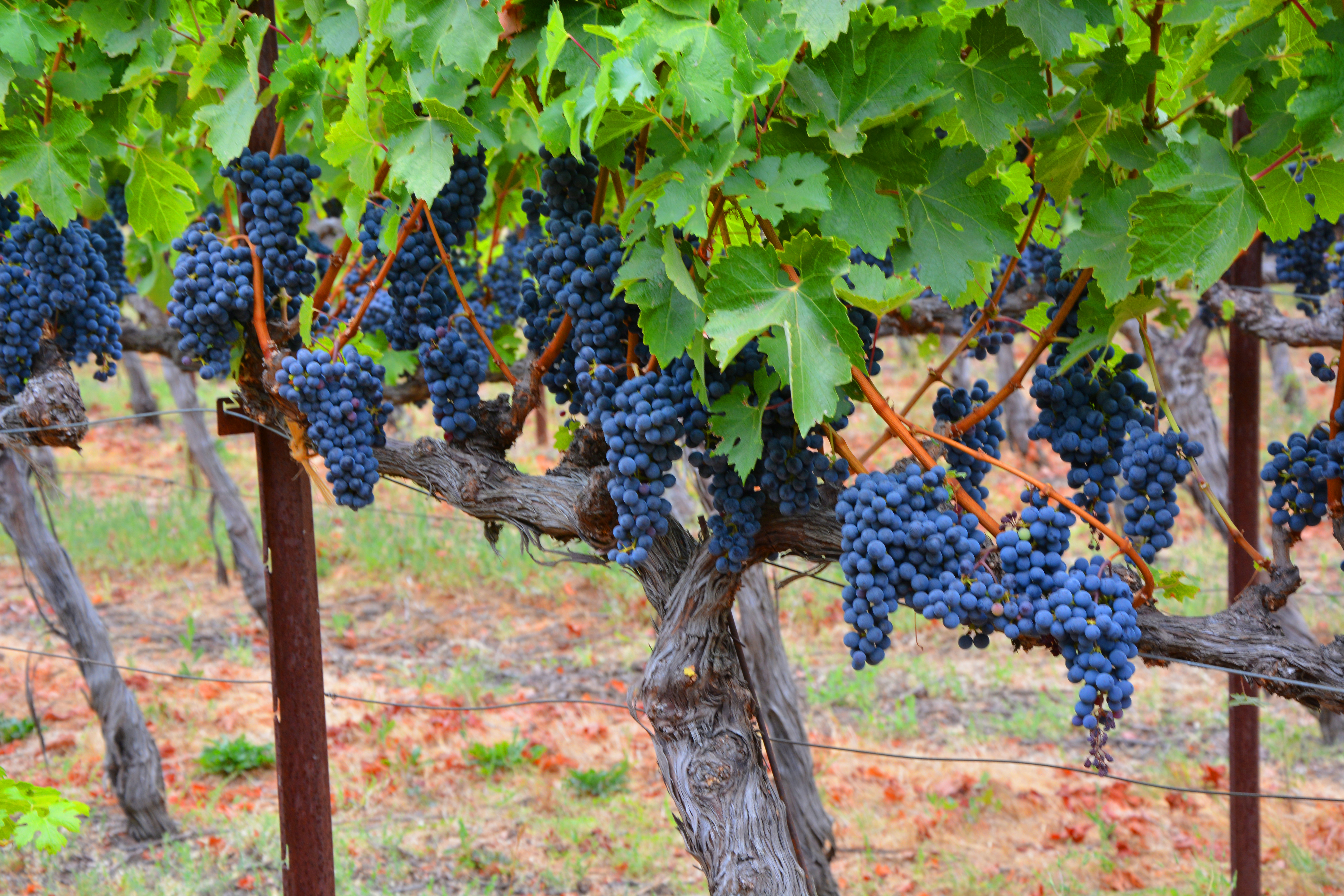
- Small grapes and thick skins provide deep color and tannin, key components for age-ability.
This variety achieves a range of expression depending on its vineyard site. Its flavors display a wide variety of black fruits, including currant, cherry and plum, and often show notes of spice from oak aging.
On the palate these wines can be dense and powerful in youth, but age gracefully. When young, they are best matched with robust red meat dishes such as game and braised lamb, while older Cabernets are superb accompaniments to simply prepared roasts, steaks and aged cheese.
Primary Notes


Wine Style
Serving Tips
Serving Temp.
60-68°F (16-20°C)
Decant Time
1-2 hours
Cellar Life
10-20+ years
Suggested Pairings
Roasted meats, steak, hearty stews, BBQ ribs, burgers, pizza, mushroom risotto, aged cheese, pasta, dark chocolate and other rich chocolatey desserts.
Growing Cabernet in Napa Valley
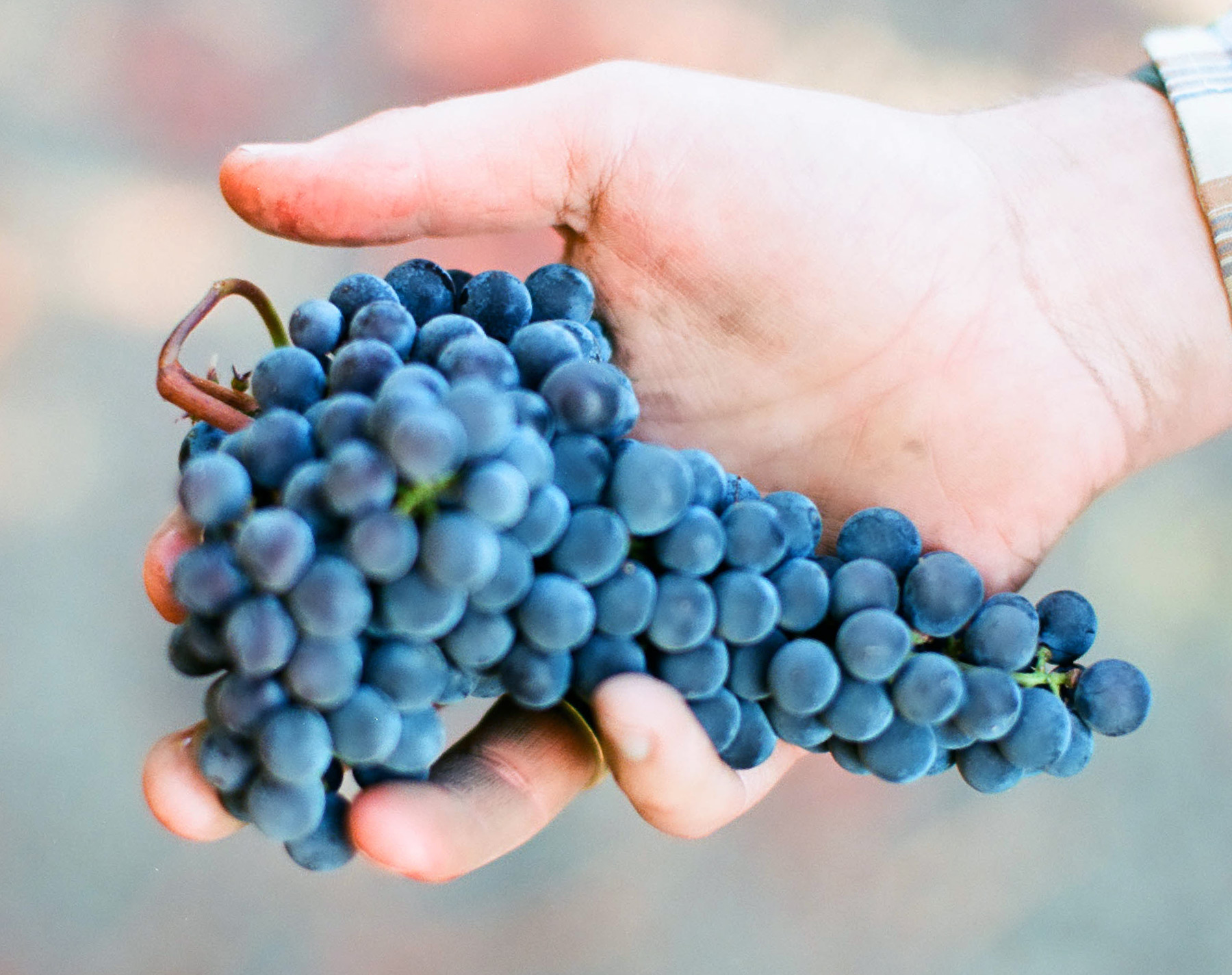
Cabernet Sauvignon thrives in well-drained soils and performs best in moderate to warm temperatures, producing an array of styles across Napa Valley.
In the Vineyard
- Grown in every part of Napa Valley.
- Mid to late ripening variety.
- Northern Napa Valley sits at the warmer end of the spectrum, while some parts of Carneros are considered too cool.
- Mountain appellations are distinctive from the valley floor and benchlands, where Oakville, Rutherford and St. Helena hold a high concentration of Cabernet Sauvignon plantings.
History
Cabernet Sauvignon is a cross between Sauvignon Blanc and Cabernet Franc, introduced to California in the 1880s. In Napa Valley, records show Gustave Niebaum had planted Cabernet Sauvignon at his Inglenook property by 1883.
Also in the 1880s, H.W. Crabb, one of the country’s foremost vine nurserymen, gave the St. Helena Star a list of his bounty that included Cabernet Sauvignon. Other areas were planted as well, including vineyards on Spring Mountain and Howell Mountain, which would develop a world-class reputation for Cabernet Sauvignon wines.
After Prohibition, less than 100 acres of Cabernet Sauvignon remained. The modern legacy of fine Cabernet Sauvignon winemaking grew from wineries such as Louis M. Martini, Charles Krug, Inglenook and Beaulieu Vineyard, then accelerated after the 1976 Judgment of Paris.
Winemaking
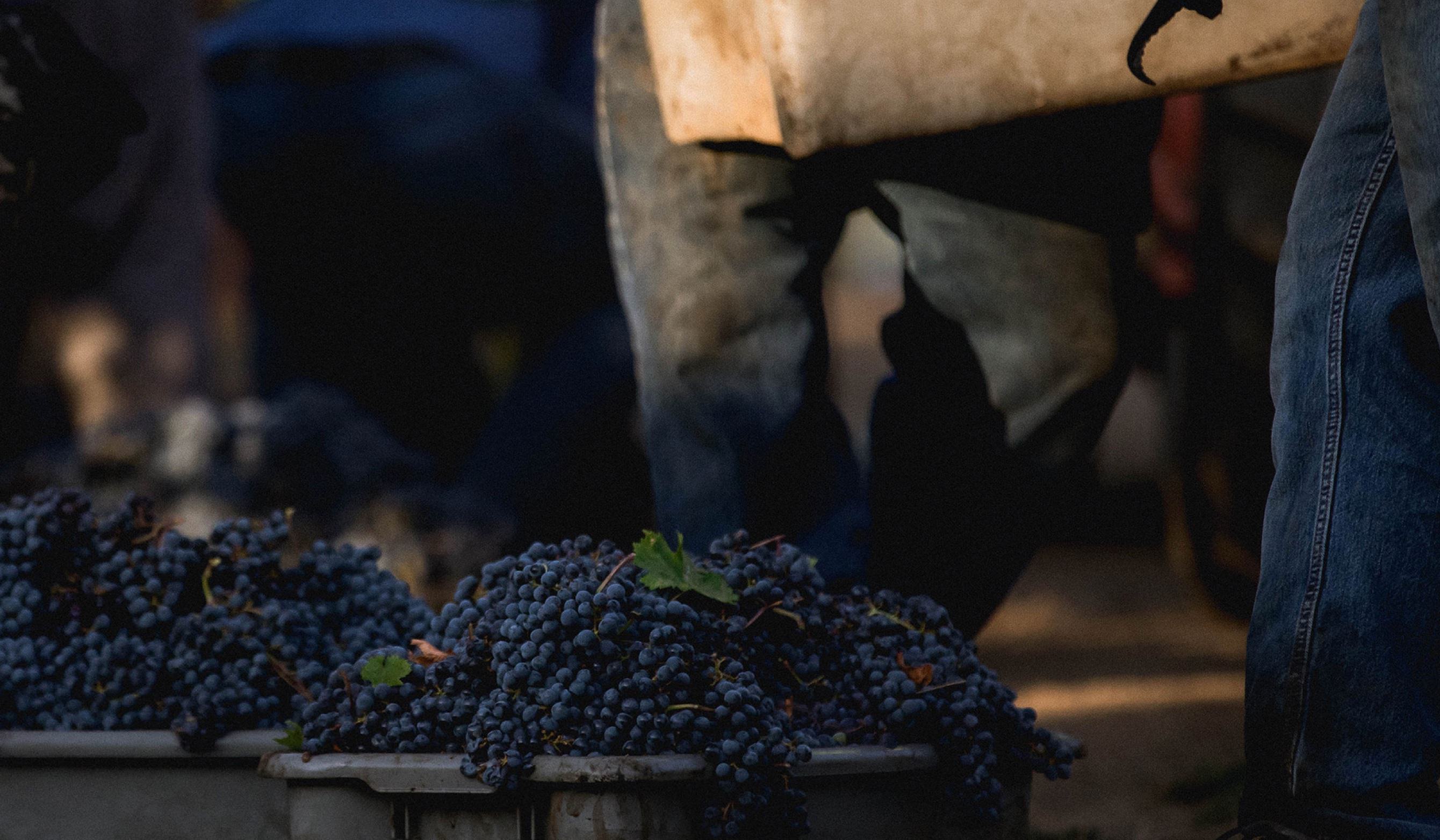
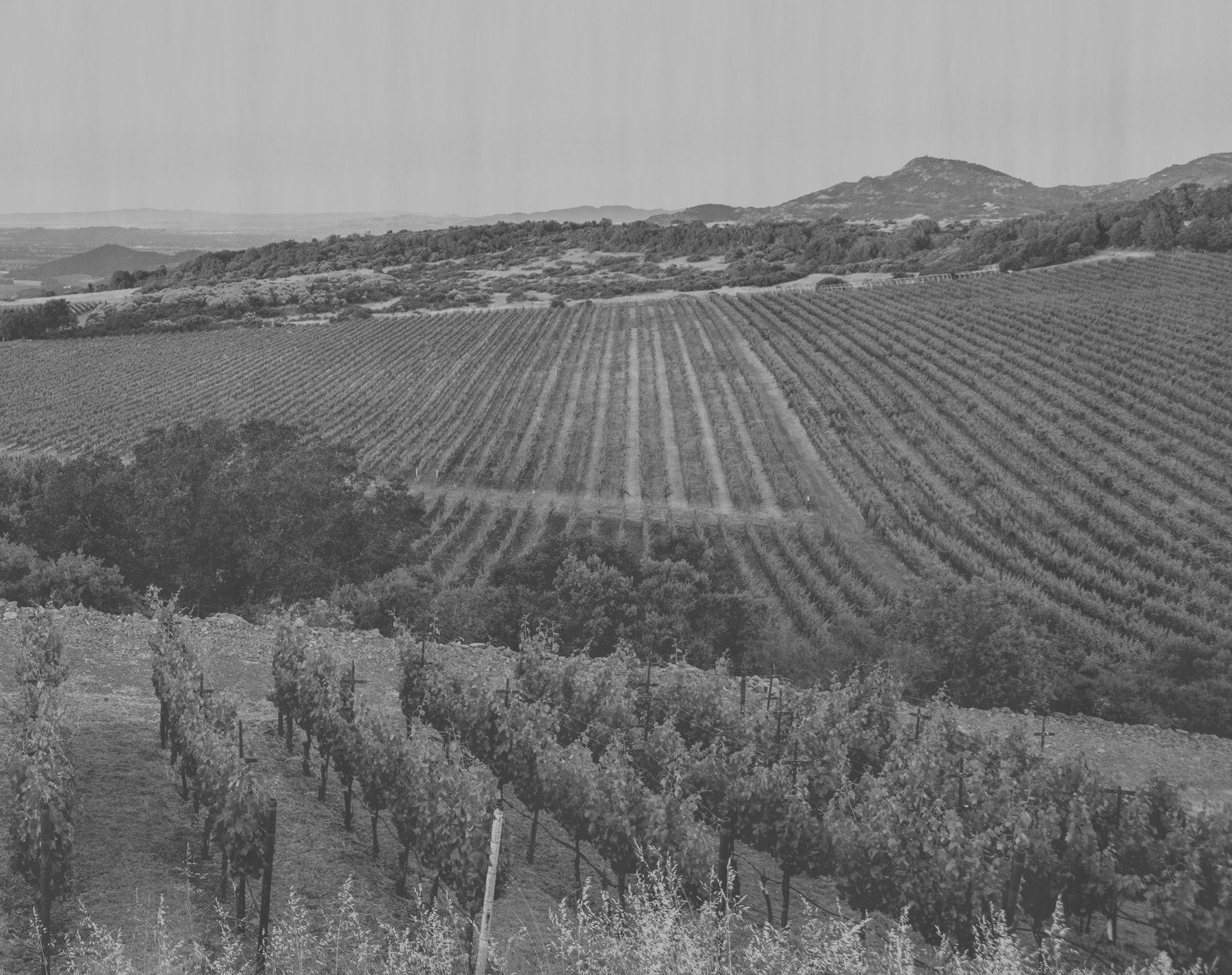
Napa Valley wineries produce a wide range of Cabernet Sauvignon wines and styles, but certain trends exist. Cabernet Sauvignon is harvested at low yields of 2 to 5 tons per acre and generally between 24 and 28 Brix, a measurement of sugar accumulation in grapes.
The fruit is sorted, cold-soaked and fermented in steel, oak or concrete tanks. The wine is most often left to macerate on its skins for an additional 1 to 3 weeks before it is pressed and placed into French oak barrels, typically 50% to 100% new, for 12 to 24 months.
NAPA Magazine
Read more about the Cabernet Sauvignon wines of Napa Valley in NAPA magazine.
Recipes
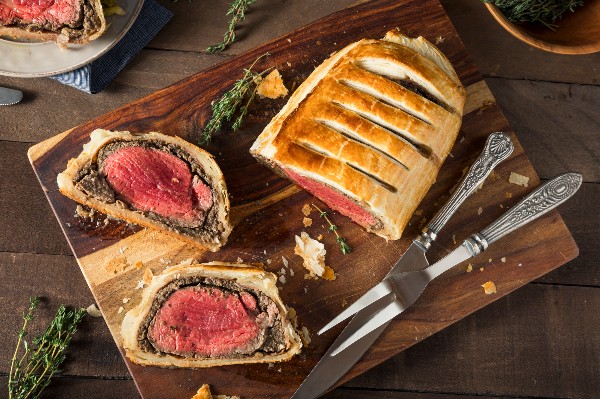
Beef Wellington
Andrew Holloway, associate winemaker at Rombauer Vineyards, concocted the idea of a pre-Christmas beef Wellington dinner tradition. In the weeks before Christmas, the winemaking team gathers with their families to enjoy this proper British dish.
View Recipe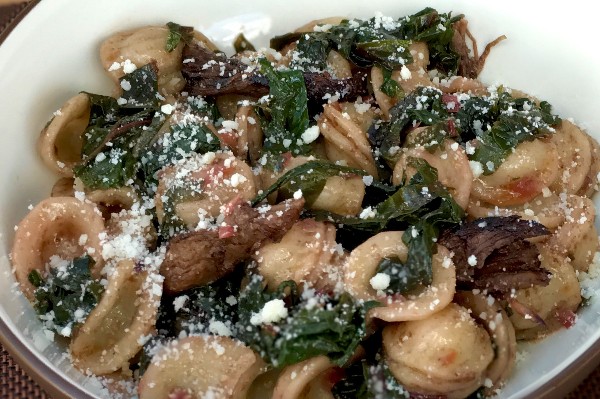
Cabernet Braised Shortribs with Swiss Chard and Orecchiette
Winter in wine country is a time to relax and to bring people around the table with a soul-satisfying meal such as this.
View Recipe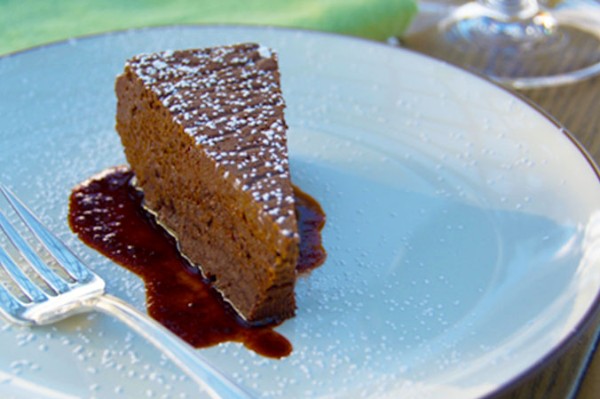
Flourless Chocolate Cake with Cabernet Sauvignon and Dried Cherry Sauce
The combination of the dried cherry Cabernet Sauvignon sauce with this flourless chocolate cake is a very grown-up way to end a meal. Please note that both the cake and the sauce need to be started a day in advance.
View RecipePremiere Napa Valley
Discover some of Napa Valley’s most unique Cabernet Sauvignon wines in the Premiere Napa Valley wine portfolio, created only once and made in small quantities for the Premiere Napa Valley wine auction.
Wineries
A rotating sample of Napa Valley wineries featuring Cabernet Sauvignon wines.

Beringer Vineyards 2014 Cabernet Sauvignon
The Distinction Series wines highlight particularly unique vineyard sites and allow Chief Winemaker
Mark Beringer to take risks and explore new, innovative ways of working with our vineyard sites.
Beringer���s Napa Valley Cabernet Sauvignon is crafted to reflect the outstanding strength of the Napa
Valley appellation, but with stylistic differences from the Private Reserve ��� differences that highlight the
range of terroir found in our Napa Valley vineyards. Possessing great structure and concentration, this
wine is still immediately approachable and appealing but incredibly cellar worthy.

Cliff Lede Vineyards 2010 ‘Songbook’ Cabernet Sauvignon
The expressive bouquet of the 2010 Songbook features harmonious aromas of wild black cherry, candied black currant, and dark brooding fruits, complemented by high notes of violets and lavender. This exuberant wine has a sweet impression from all of its luscious ripe fruit, with complex notes of mocha, black licorice, and pine, layered on abundant, refined tannins. Silky from start to finish, this wine is a sensuous pleasure.
View Winery Profile
Summit Lake Vineyards & Winery 2021 ‘Emily Kestrel’ Cabernet Sauvignon
Grown in one of Napa Valleys most recognized and prestigious appellations this Cabernet Sauvignon is a true example of Howell Mountain terroir.
View Winery ProfilePlaceholder for quotes about Napa Valley Cabernet Sauvignon.